ATEX Radios
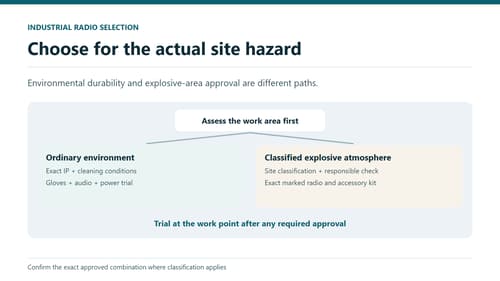
Choose a radio from the site’s classified-area assessment and exact equipment marking. Browse the products, then check the complete radio, battery and accessory combination below.
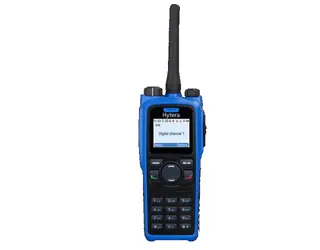
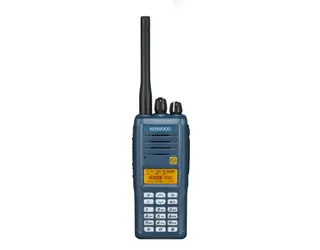
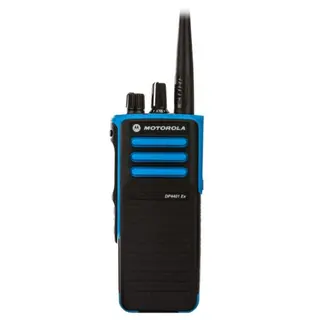
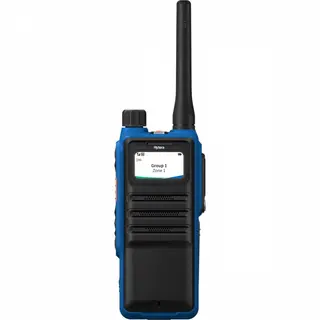
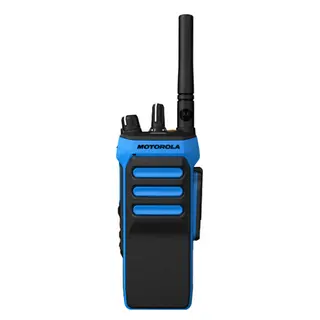
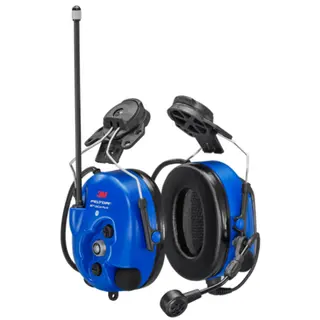
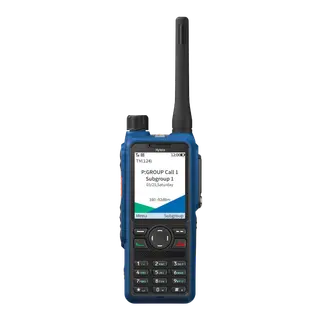
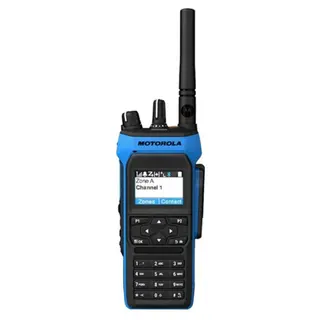
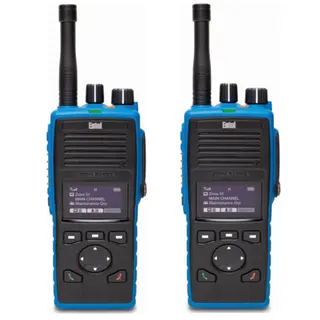
Page 1 of 2 · 19 items
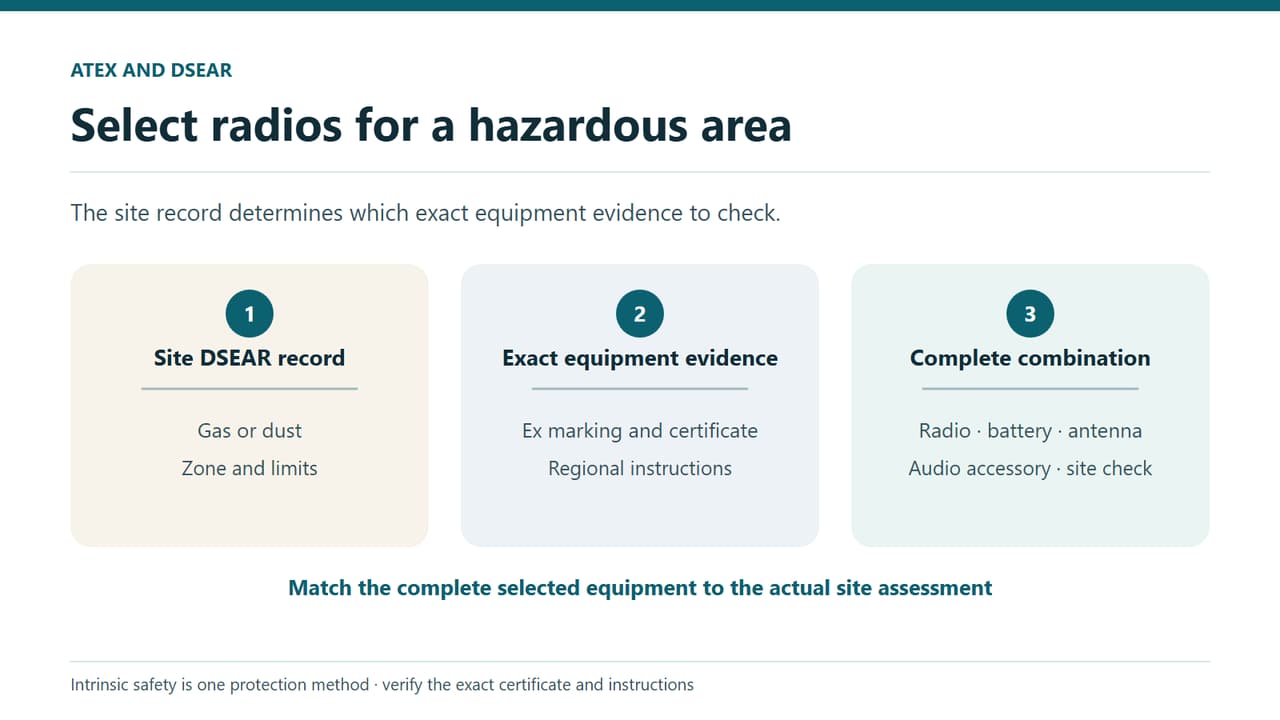
Choose a two-way radio for a classified hazardous area from the site's DSEAR assessment and the exact equipment marking. Check the gas or dust atmosphere, zone, temperature and ambient conditions, then match the complete radio, battery, antenna and audio-accessory combination to the manufacturer's current regional safety instructions. A rugged or IP-rated handset is not evidence of hazardous-area suitability.
ATEX concerns equipment and workplaces with potentially explosive atmospheres; intrinsic safety is one electrical protection method within that field. For Great Britain, check the applicable product conformity evidence and instructions for the exact offered variant. Northern Ireland has a separate product-law route. Browse Entel radios, Motorola radios or all two-way radios, then verify each candidate with the responsible site safety team before use.
ATEX radio questions
Does ATEX mean every radio is intrinsically safe?
No. HSE lists intrinsic safety alongside other protection methods. Read the actual Ex marking and certificate conditions for the specific radio and accessories.
Which zone can a radio be used in?
The site's classified-area record establishes the zone and hazard. Compare those requirements with the exact radio's marking and approved assembled kit; a category name does not assign a zone rating to every listed product. HSE explains area classification and equipment choice.
Can I use any battery or speaker microphone that fits?
No. Physical fit does not establish approval for a hazardous area. Use the current regional safety instruction and permitted combination for the exact variant, and follow the site's process for charging, changing parts and inspection.
For the full selection checklist, read our detailed ATEX radio selection guide.
Related Articles
Learn more about these products